
A TIMELINE OF HISTORY
with links to biographies and illustrations

Fourteenth Centruy
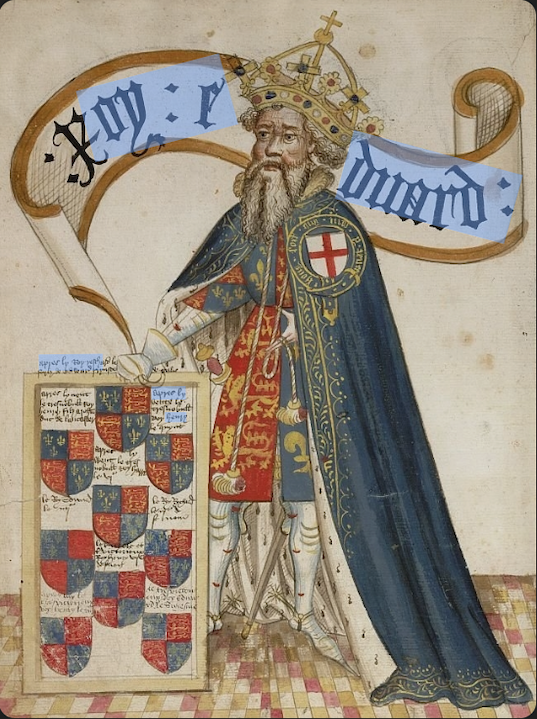
King Edward III (b.1312, 1327-d.1377. [64]) created Dukedoms for his sons that lead to the War of the Roses
Edward of Woodstock (15 June 1330 – 8 June 1376),[1] known to history as the Black Prince was the eldest son and heir apparent of King Edward III
The Battle of Crécy (KRISS see) took place on 26 August 1346 in northern France between a French army commanded by King Philip VI and an English army led by King Edward III.
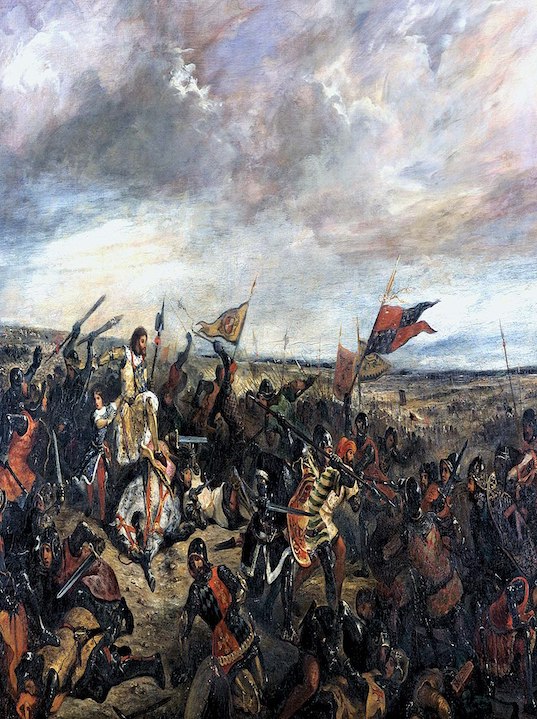
The Battle of Poitiers (pwaa tee ayz) was fought on 19 September 1356 between a French army commanded by King John II and an Anglo-Gascon force under Edward, the Black Prince
The Black Death - a bubonic plague pandemic occurring from 1346 to 1353. It is the most fatal pandemic recorded in human history, causing the deaths of 75–200 million people
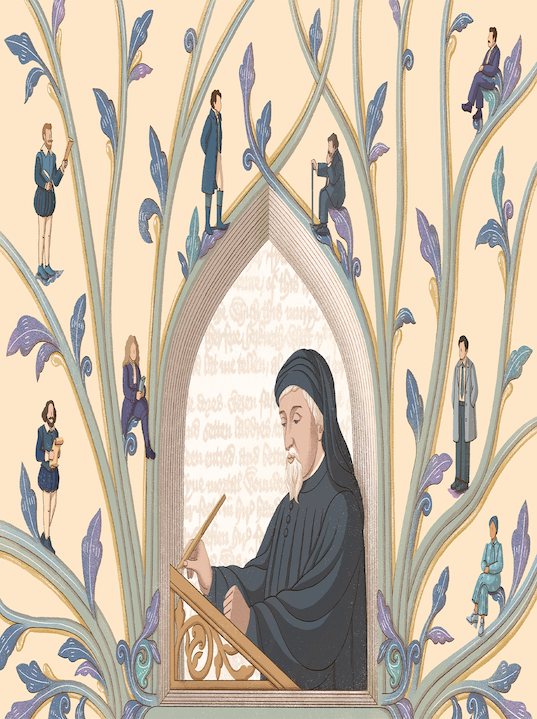
Geoffrey Chaucer (c. 1340s – 25 October 1400)
John of Gaunt, Duke of Lancaster (6 March 1340 – 3 February 1399) was the third surviving son of King Edward III of England, and the father of King Henry IV.
Richard II (6 January 1367–c.14 February 1400), also known as Richard of Bordeaux, was King of England from 1377 until he was deposed in 1399
John Rykener, also known as Eleanor,[note 1] was a 14th-century sex worker arrested in December 1394 for performing a sex act with John Britby, a man who was a former chaplain of the St Margaret Pattens church
Henry V (16 September 1386 – 31 August 1422 [35}) victory at the Battle of Agincourt (1415) saw him come close to conquering France
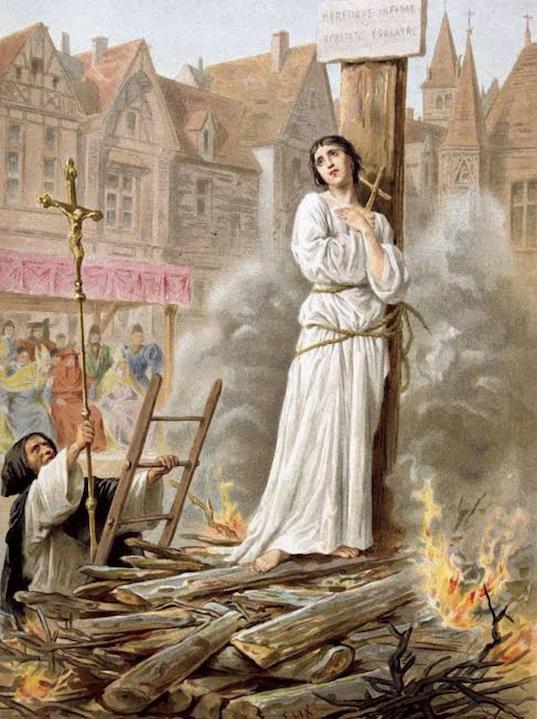
Joan of Arc, (1412 - May 30 1431 {19}) burned at the stake in Rouen, France May 30, 1431
The Gutenberg Bible was printed in Mainz in 1455 by Johann Gutenberg
Leonardo da Vinci b. April 15, 1452 - May 2, 1519 (67)
Sandro Botticelli (bow tuh CHEH lee) (c. 1445 – May 17, 1510
Michelangelo 1475 - 1564 (88)
Caravaggio 1571 – 1610 (38) was an Italian painter active in Rome for most of his artistic life
Niccolò Machiavelli (3 May 1469 – 21 June 1527)
The Wars of the Roses, an English civil war between the House of York and the House of Lancaster, took place from 1455 to 1485
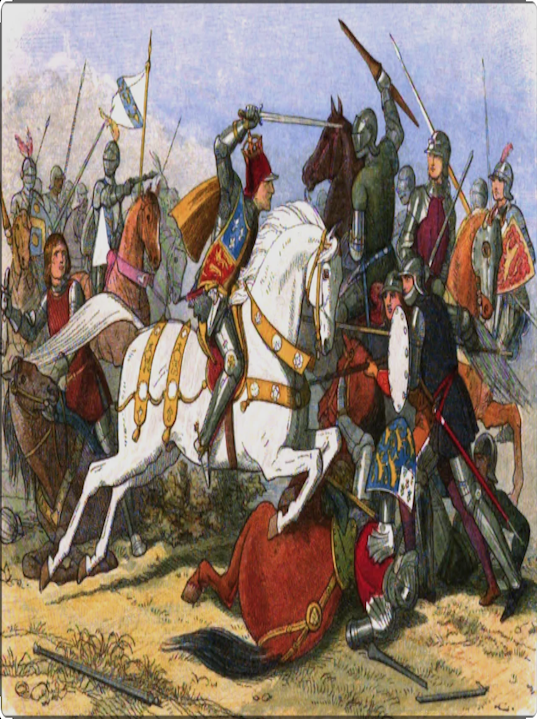
In 1485, Henry Tudor invaded England and defeated Richard III at the Battle of Bosworth Field. As King, Henry VII married Elizabeth of York
Henry VIII (1491 - 1547 age 55) was King of England from 1509 until his death (1491 - 1547)
Thomas Wolsey (1473 - 1530) was an English archbishop, statesman and a cardinal of the Catholic Church. When Henry VIII became King of England in 1509, Wolsey became the King's almoner
Thomas Tallis (/ˈtælɪs/;[2] also Tallys or Talles; c. 1505 – 23 November 1585[n 1]) was an English composer of High Renaissance music.
Sir Thomas More beheaded 6 July 1535 (aged 57)
Anne Boleyn 1501 – 19 May 1536) was Queen of England from 1533 to 1536
Elizabeth Barton (1506 – 20 April 1534) head was put on a spike on London Bridge. She is the only woman in history to receive that dishonor.
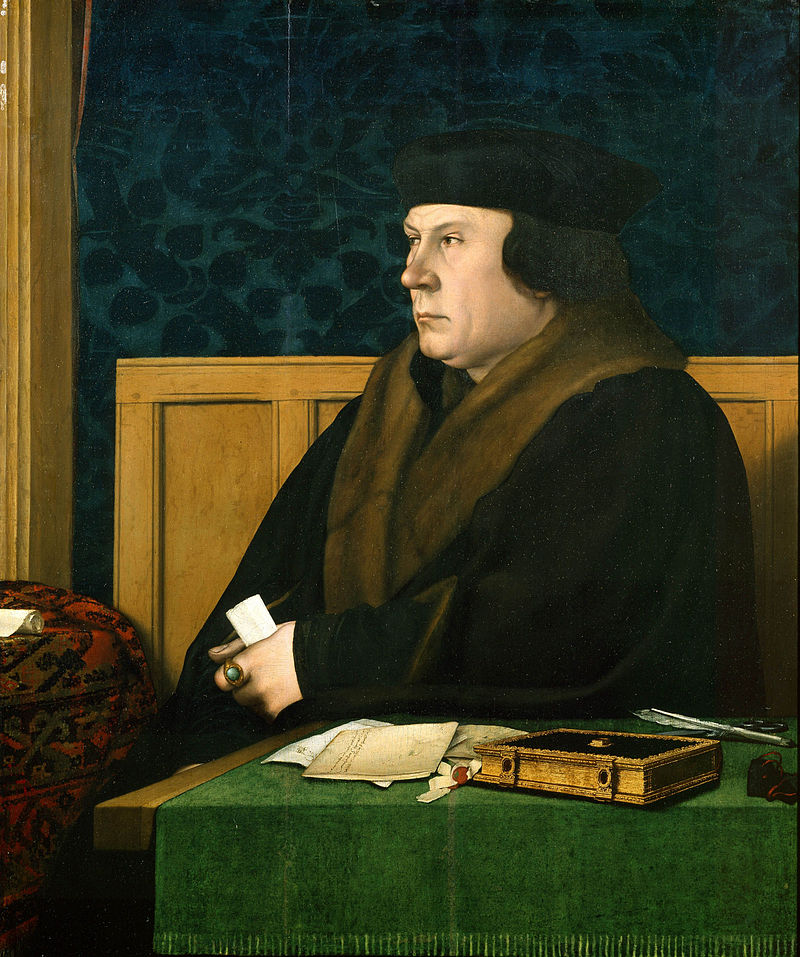
Thomas Cromwell, 1st Earl of Essex chief minister to King Henry VIII of England from 1532 to 1540, when he was beheaded on orders of the king. image
Fifteenth Century
Guy Fawkes 1570 - Jan. 31, 1606 who gave his name to Guy Falks Day celebrated Nov. 5th
Christopher Columbus's voyage in 1492 led to the beginning of European colonization in the Americas
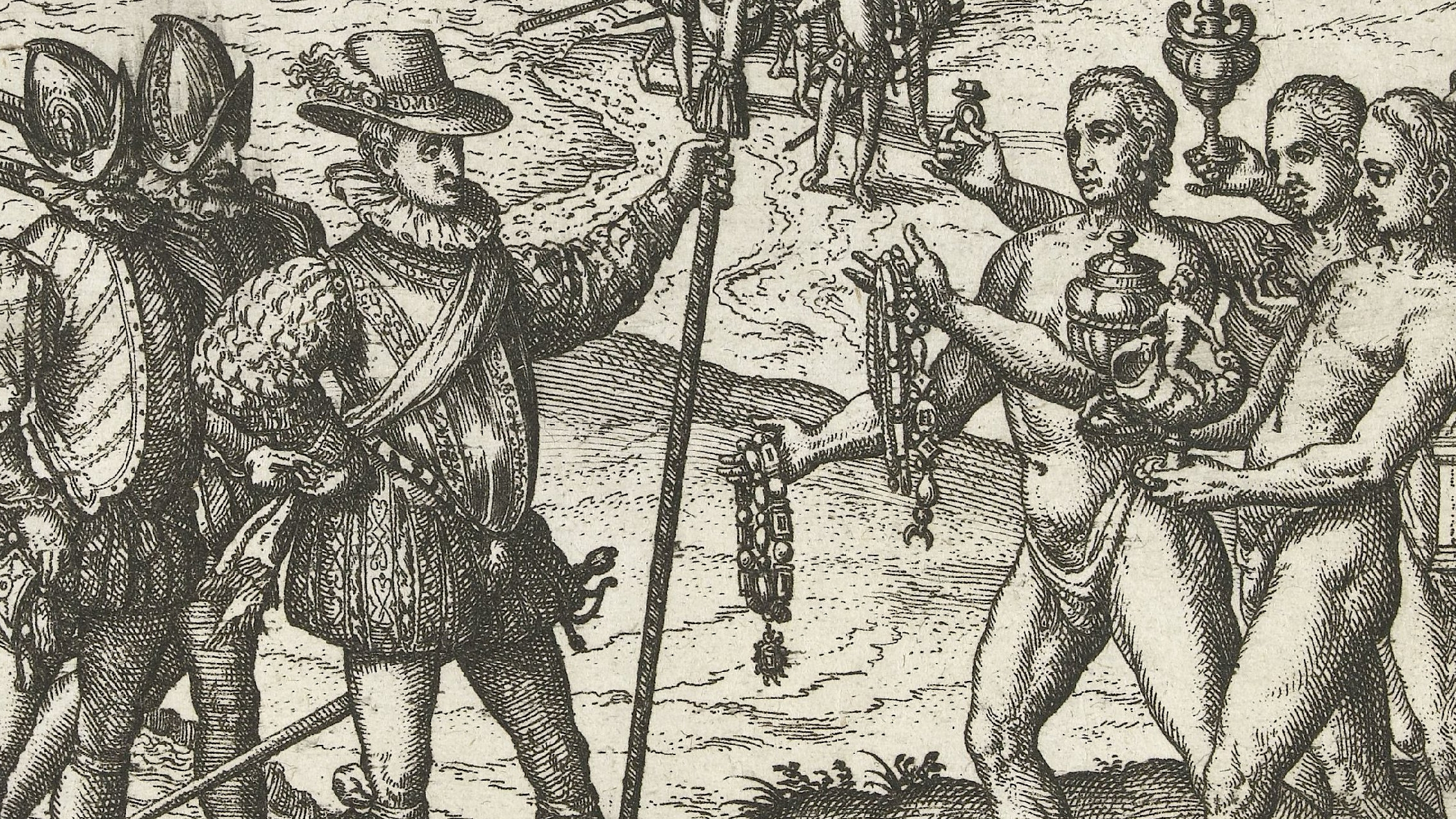
The powerful Aztec and Inca empires reached their zenith in the mid-15th century, dominating large areas of Meso- and South America
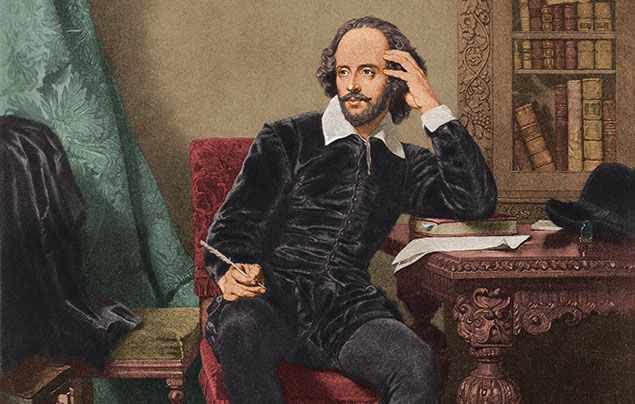
Shakespeare - 1564 to 1616 (52) William Shakespeare was both born and died on the 23rd of April image very likely a portrate painted during his life
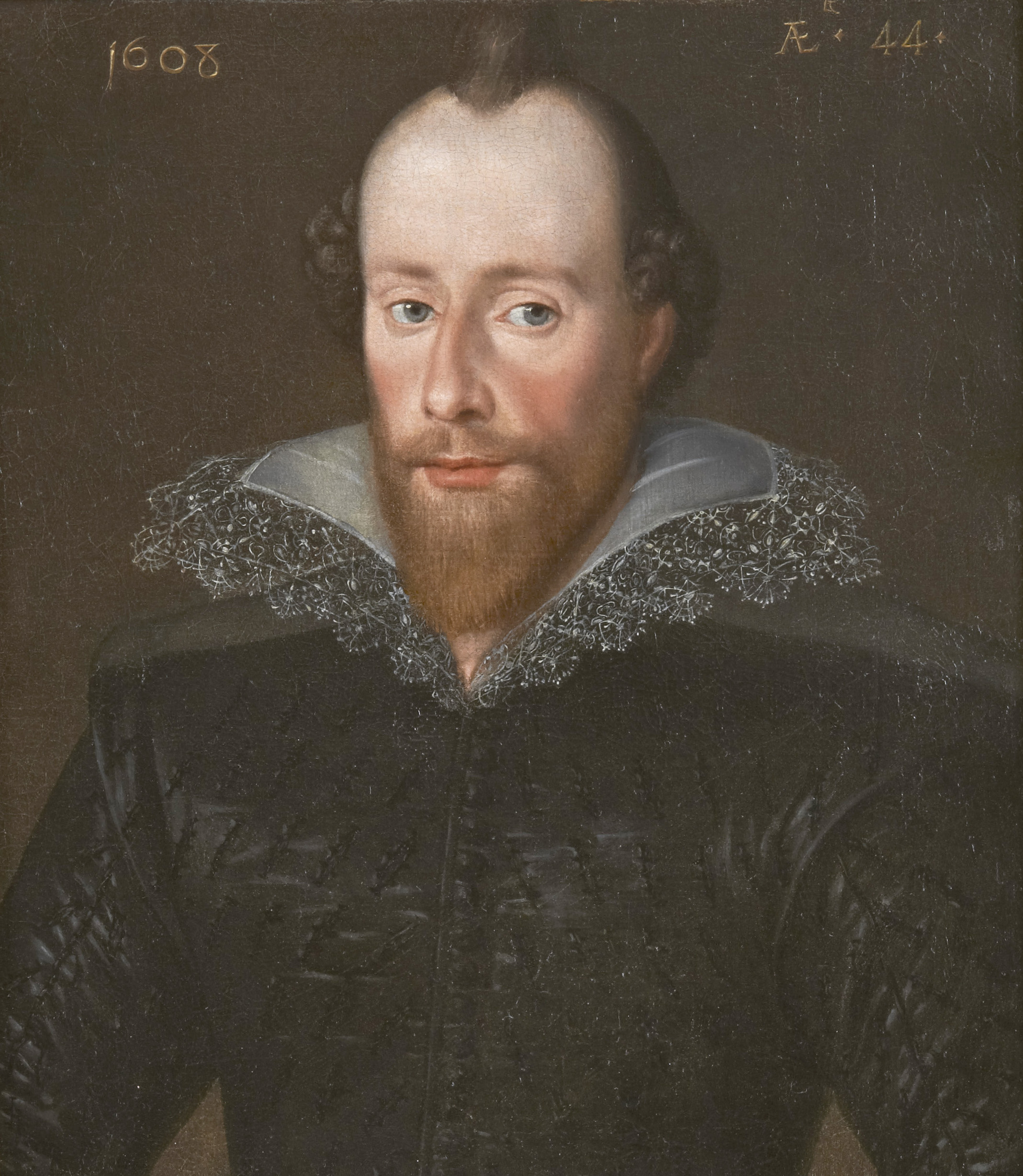
Christopher Marlowe February 1564 - 1593 (aged 29)
KJV published in 1611
Samuel Pepys 1633 - 1703 (70)
Galileo Galilei accused of heresy for suggesting Earth is a planet that revolves around the sun in 1633
The English Civil War (1642–1651)
Charles 1 executed January 30, 1649
John Wilmot, 2nd Earl of Rochester (1647 - 1680 {33})
1660 English Interregnum ended Charles II enthroned
1665, the Great Plague of London killed more than 75,000 people
Great Fire of London - 1666 described by Samuel Peyps
New Amsterdam renamed New York in honor of Charles's II brother James, Duke of York 1674
Sir Isaac Newton 25 December 1642 – 20 March 1726
Eighteenth Century
- 1707 The Act of Union is passed, merging the Scottish and English Parliaments, thus establishing the Kingdom of Great Britain
- 1709The Great Frost of 1709 marks the coldest winter in 500 years
- 1712 Steam engine invented by Thomas Newcomen
- 1715 The first Jacobite rising breaks out; the British halt the Jacobite advance at the Battle of Sheriffmuir; Battle of Preston
- 1718 The city of New Orleans is founded by the French in North America
- 1723 Slavery is abolished in Russia; Peter the Great converts household slaves into house serfs
- 1730-60 The First Great Awakening takes place in Great Britain and North AmericaThe First Great Awakening takes place in Great Britain and North America
- 1740 Famine in Ireland kills 20 percent of the population
- 1742 Marvel's Mill, the first water-powered cotton mill, begins operation in England
- 1742 Premiere of George Frideric Handel's Messiah
- 1754 King's College is founded by a royal charter of George II of Great Britain
- 1755 The great Lisbon earthquake destroys most of Portugal's capital and kills up to 100,000
- 1760 George III becomes King of Britain
- 1764 Spinning jenny created by James Hargreaves brought on the Industrial Revolution
- 1765 The Stamp Act is introduced into the American colonies by the British Parliament
- 1776 Steamboat invented by Claude de Jouffroy
- 1775-83 American Revolutionary War
- 1776 The United States Declaration of Independence is adopted by the Second Continental Congress in Philadelphia
- 1778 James Cook becomes the first European to land on the Hawaiian Islands
- 1781 The city of Los Angeles is founded by Spanish settlers
- 1783 The Treaty of Paris formally ends the American Revolutionary War
- 1789 George Washington is elected the first President of the United States; he serves until 1797
- 1792 The New York Stock & Exchange Board is founded
- 1793 Upper Canada bans slavery
- 1793 The largest yellow fever epidemic in American history kills as many as 5,000 people in Philadelphia
- 1796 Edward Jenner administers the first smallpox vaccination
- 1799 Rosetta Stone discovered by Napoleon's troops